- Advice
- Building a group
Building a group
We found in talking to the projects that they often had a leader amongst the families. In practice this meant leaders often took on the most action, decision making and stress. Our projects would encourage everyone in the group to take on some responsibility or role for the project. All parents have skills and knowledge that they can contribute to the project’s success in the long term.
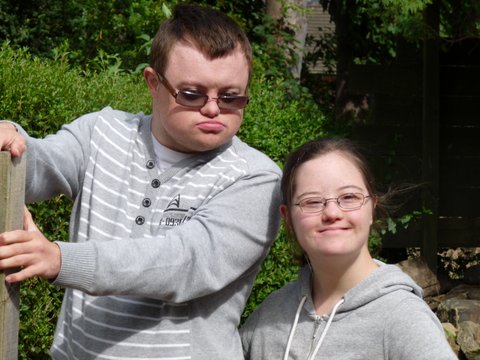
"There will always be bumps in the road but being part of the group helps renew your optimism."
There will be times when each parent and each young person loses confidence about whether it will work for them. Emotional barriers to making the move are huge on both sides and affect everyone. Support each other through the doldrums.
Put effort into involving and valuing everyone in the parents’ group- and try to remain friends (or at least on speaking terms!). A whole raft of issues will continue to emerge once it is all underway, and you need to keep a constant approach to solving them together.
Having a good and mixed group of parents really helped, as everyone had different skills, project management, understanding care structures that they could contribute.
It was a real roller coaster of meetings, emotions and getting people to commit. I think our biggest challenge is the size of our group of parents. Can be hard to get a group of that size to agree. I think people are at different stages of stepping back from their young people too or in trusting the provider, it makes things tricky.
We all had the need, ideas, and energy at the same time – as well as a connection with Down Syndrome Association which helped bring us together again
It took a long time to find the right people, and not just people who would just say yes to everything, but to be part of it. I want it to be parent led not service led.
Building relationships
Creating a group of young people who want to live together is centrally important to making a project work. Many of the project’s young people knew each other through education or services, so groups were formed around friendships. Other groups were built from scratch, where through new introductions based on people being ready to move into independent living. Time really had to be invested them to build relationships and test compatibility to ensure people want to and could successfully live together.
Time really had to be invested then to build relationships and test compatibility to ensure people want to and could successfully live together.
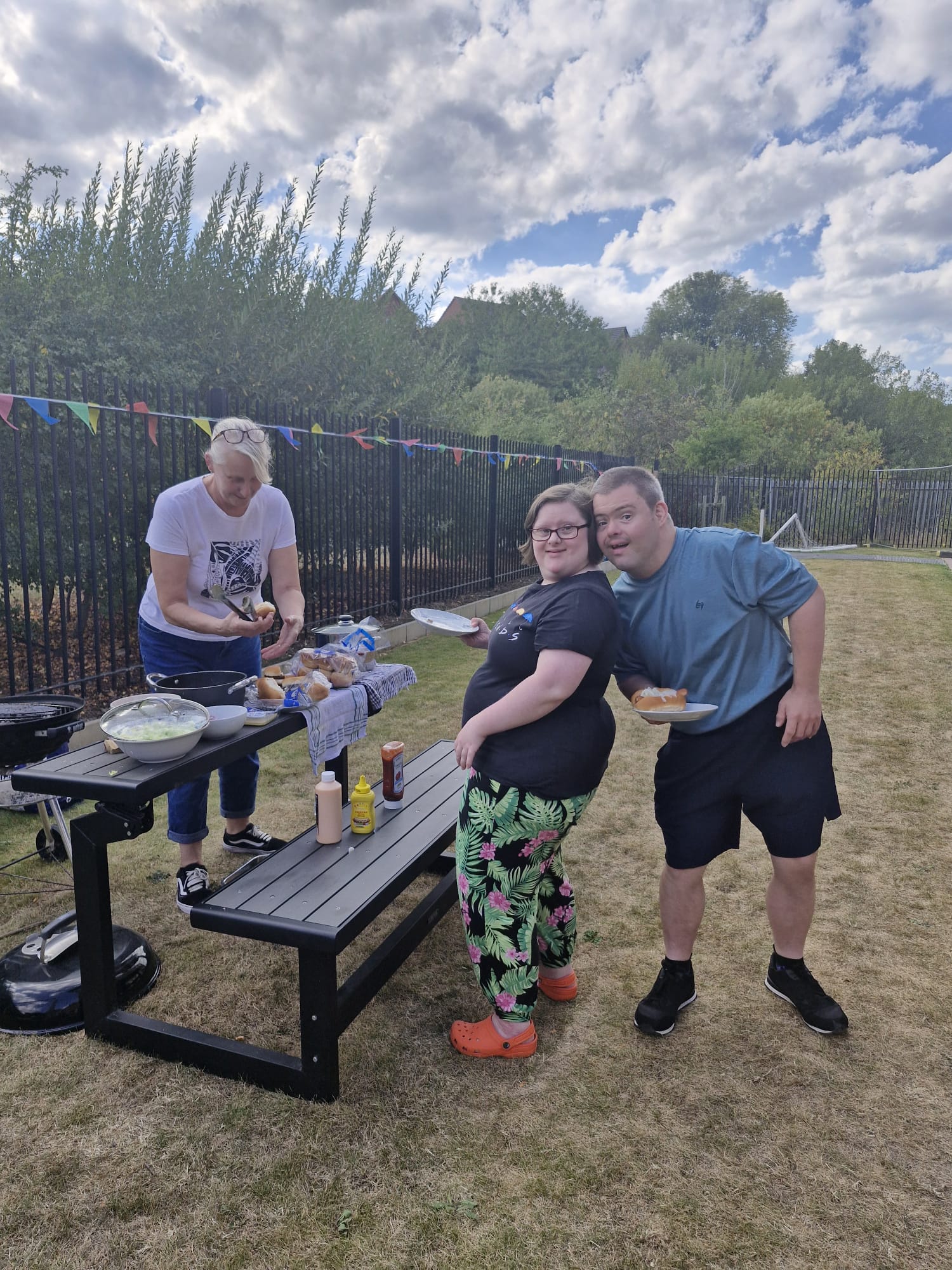


The girls were going to have a third roommate, we're glad we didn't do this as they have issues around ownership and jealousy of staff
Getting the number right is important too, 6 felt a good number, not too small so there are problems if people fall out but big enough that there are different relationships and people can build good friendships too
Families also recommend involving young people in the project from the start
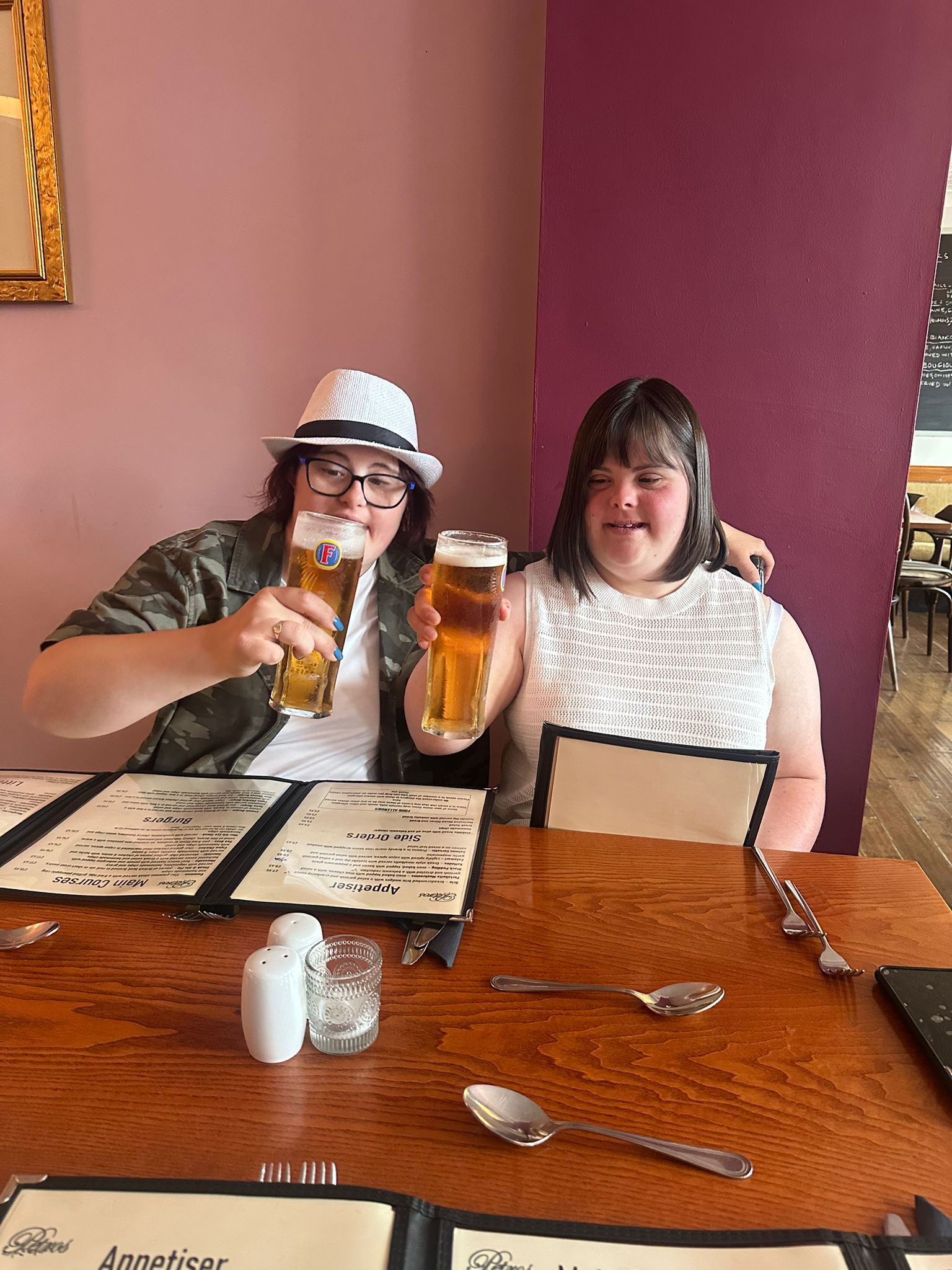
"Think carefully about the compatibility of your young people, and how their needs may change over time."
From the beginning, even before we had a vision, we knew it was getting the right three people together was going to be the most important thing. We’ve spent years building relationships between the young men, from them knowing each other to being friends, to genuinely wanting to living together. From a tentative ‘do you want to come for tea?’ to everyone helping themselves when they need a fresh tea. We've also spent time helping each of their staff get to know everyone, most of them have come with us. Its meant we have been able to build our project around what makes sense to everyone.
Involve the young people from day 1, and increasingly as the project takes a shape that can be seen, as building work is underway, and they can begin to visualise it as their future home. Build up links to any local shops, pubs, community facilities etc before the move.